Blog

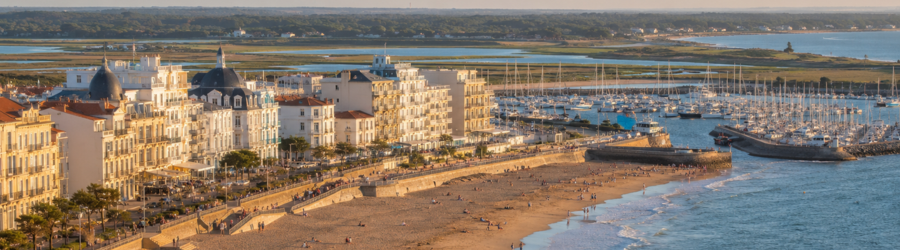
Looking for things to do in Sète, whether for a weekend or a longer stay at a luxury campsite? The Little Venice of Languedoc combines a fishing port, canals, a panoramic hill and an oyster lagoon. In a single day, you can climb Mont Saint-Clair, have lunch with a tielle at the Halles, then set off on a boat trip for an oyster tasting on the Étang de Thau.
Here is our selection of the 10 places and activities not to be missed to discover the spirit of the town and plan a programme that suits you.

To understand the unusual geography of Sète, start with Mont Saint-Clair. This isolated hill rises to 175 metres and overlooks the town, the port, the Lido and the Étang de Thau. From the esplanade of the Notre-Dame-de-la-Salette chapel, on a clear day, the view stretches as far as the Pyrenees. You can climb on foot by old paths, or drive if you are in a hurry. The site is free to access all year round.
Our favourite: head to the viewpoint with the cross at sunset, when the low light sets the roofs of the Quartier Haut and the lagoon water aglow. It is a short but unforgettable moment, away from the crowds of the town centre, to end the day with a 360° view over the whole Sète peninsula.
The seaside cemetery clings to the southern slope of Mont Saint-Clair, in terraces facing the sea. It was renamed in 1945 in homage to Paul Valéry’s poem, and it houses the tomb of the writer, who was born in Sète. The walk is peaceful, between maritime headstones, chapels and fine views over the open sea. Allow about 30 minutes, enough to sense the atmosphere described in the famous poem. Entry is free.
Just above the seaside cemetery, the Paul Valéry Museum houses around 7,200 works in a building designed by the architect Guy Guillaume in the early 1970s. You will find fine arts collections, the Paul Valéry archive and the Salah Stétié archive, as well as regular temporary exhibitions devoted to modern and contemporary art. The panoramic terrace alone is worth the visit. Allow a comfortable 1 hour 30 minutes.
The Musée International des Arts Modestes, or MIAM, opened its doors in 2000 under the impetus of Hervé Di Rosa and Bernard Belluc. Housed in a converted former wine cellar restored by the architect Patrick Bouchain, it showcases toys, figurines, gadgets and everyday objects long overlooked by institutions. The pop, abundant and colourful display makes the visit a unique experience. The temporary exhibitions change regularly and are accessible to children as well as to lovers of contemporary art.
Built into the old Fort Saint-Pierre at the foot of Mont Saint-Clair, the Théâtre de la Mer Jean Vilar remains one of the finest open-air amphitheatres in France. Built as tiered seating facing the Mediterranean, it seats 1,485 spectators and offers a very eclectic programme every summer. You might catch the Worldwide festival launched by Gilles Peterson, as well as Jazz à Sète, “Quand je pense à Fernande” or “Escale à Sète”. The exceptional acoustics and the view over the sea make every concert memorable.
Good to know: buy your tickets as soon as box office opens for the headliners, as the Worldwide Festival evenings often sell out within a few hours. Early-evening concerts let you watch the sunset behind the stage, an experience regulars strongly recommend.
To the north of the town, La Pointe-Courte keeps the look of a small fishing village on the shore of the Étang de Thau. There are low houses with colourful façades, traditional boats and fishing nets still in use. The district inspired Agnès Varda’s first film, shot here in 1955, and remains one of the most photographed corners of Sète. A simple one-hour stroll is enough to soak up the atmosphere, provided you respect the peace of the residents.
Perched on the first slopes of Mont Saint-Clair, the Quartier Haut concentrates the town’s popular and artistic identity. You will come across artists’ studios, galleries, murals and small cafés loved by locals. Historically settled by Italian fishing families from Gaeta, it keeps a strong Mediterranean atmosphere. Climbing the steps to the Saint-Joseph chapel lets you combine panorama, heritage and street art in a single walk. Allow 1 hour 30 to 2 hours so you don’t miss anything.
Built in 1890, the central covered market of Sète is the essential stop for understanding the town’s food culture. Under the glass roof, around thirty stalls offer oysters and shellfish from the Étang de Thau, fresh fish of the day, charcuterie and, of course, the famous tielle, a warm pastry turnover filled with octopus in a spicy tomato sauce. You can grab a quick lunch there from the morning, with a glass of Picpoul de Pinet.
The joutes nautiques are the festive heart of the town. According to France Info, the tradition began at the same time as the port, on 29 July 1666, and it still draws tens of thousands of spectators every summer. Two boats face off on the Canal Royal: a jouster, standing on the tintaine 2 metres above the water, must knock his opponent into the canal with a 3-kilo lance and a 5-kilo shield. The Grand Prix de la Saint-Louis, at the end of August, is the main event.
To discover Sète from the lagoon side, board a guided cruise on the Étang de Thau. Several operators leave from the port, sail along the canals and reach the oyster beds. According to Hérault Tourisme, the lagoon produces more than 12,000 tonnes of oysters each year, around 10% of French production. You will taste the famous Bouzigues oysters on the spot, accompanied by a glass of Picpoul. The trip generally lasts 2 to 3 hours and is ideal for families as well as couples.
To the south of the town, the Lido beaches stretch for 12 kilometres as far as Marseillan-Plage. This strip of fine sand separates the sea from the Étang de Thau and was entirely rebuilt as part of a major European project to combat coastal erosion. The green cycle path that runs along it gives access on foot or by bike from the town centre. The beaches hold the Blue Flag award and suit families as well as watersports enthusiasts!
Now you know what to do in Sète, but where should you pitch your tent to make the most of the Bassin de Thau? Discover our 4 and 5 star luxury campsites in Sète and compare pools, wellness areas, unusual accommodation and services in just a few clicks. Don’t wait any longer!
To visit Sète at a relaxed pace, allow 2 to 3 full days. One day covers Mont Saint-Clair, the seaside cemetery and the Halles. A second day is spent at the Paul Valéry Museum and the MIAM, then in the historic districts. The third day can be organised around the beaches, a cruise on the Étang de Thau or a tasty stop with the oyster farmers.
In Sète, the tielle is the must-try: a warm pastry filled with octopus in spicy tomato sauce. Add the oysters and mussels of Bouzigues, the macaronade sétoise, the rouille de seiche and the bourride. The central market halls and the quayside restaurants are the best places to try them, accompanied by a well-chilled Picpoul de Pinet.
Yes, the centre of Sète is very easy to explore on foot. The main sights, from the Cadre Royal to the Halles via the MIAM and La Pointe-Courte, are less than 30 minutes’ walk apart. The climb up Mont Saint-Clair and to the seaside cemetery is steep but manageable for experienced walkers. Otherwise, plan on a car or the local buses.
The best time to enjoy Sète runs from May to October. June and September strike a good balance between mild weather, warm sea and moderate crowds. July and August stay festive with the joutes and the festivals at the Théâtre de la Mer, but the crowds grow. Out of season, the mild climate still allows lovely walks, especially on Mont Saint-Clair.