


guide

At the foot of Mont Ventoux, the Drôme Provençale combines architectural heritage, with the château of Grignan and the fortress of Suze-la-Rousse, and exceptional local produce, from lavender routes to the black truffle market in Richerenches. A stay in the region is also an invitation to discover the Baronnies Provençales nature park and its outstanding biodiversity.
The Drôme Provençale is located in Auvergne-Rhône-Alpes. It lies at the foot of Mont Ventoux and is surrounded by the Rhône valley and the Dauphiné.
Our destination stands out for its rich natural and architectural heritage. Here are the buildings and sites that are absolutely worth discovering during your stay in the Drôme Provençale.
This is the largest Renaissance gem in south-eastern France. This historic building is undoubtedly the most famous in the Drôme Provençale. It was the residence of the Marquise de Sévigné, the writer to whom we owe a very rich body of epistolary literature. In the 17th century, it was inhabited by her daughter and her husband, the Comte de Grignan. When visiting this remarkable building, take the time to admire the exceptional view offered by its terraces.
This building underwent two major transformations in the 16th and 18th centuries. Later, its acquisition by the Drôme department contributed to the creation of a museum trail aimed at linking the rich history of this medieval site with the wealth of the region’s winegrowing heritage. This fortress now welcomes students wishing to train in wine-related trades. Since 1978, it has housed the Université du vin, an institution of international standing.
The Enclave des Papes is a geographical area bringing together several territories acquired by the Popes of Avignon during the 14th century. Exploring this site south of the Drôme, you’ll discover several monuments such as the Chapelle des Pénitents Blancs, the Château de Simiane and the Templar commandery of Richerenches.
This is a natural area with exceptional biodiversity. You’ll find more than 2,000 different plant species and 200 animal species here. Take the opportunity during your visit to discover the Musée de l’Olivier, which reflects the importance of this tree in the region’s culture. You can access the Baronnies park from Grignan, Montélimar, Sisteron or Vaison la Romaine.
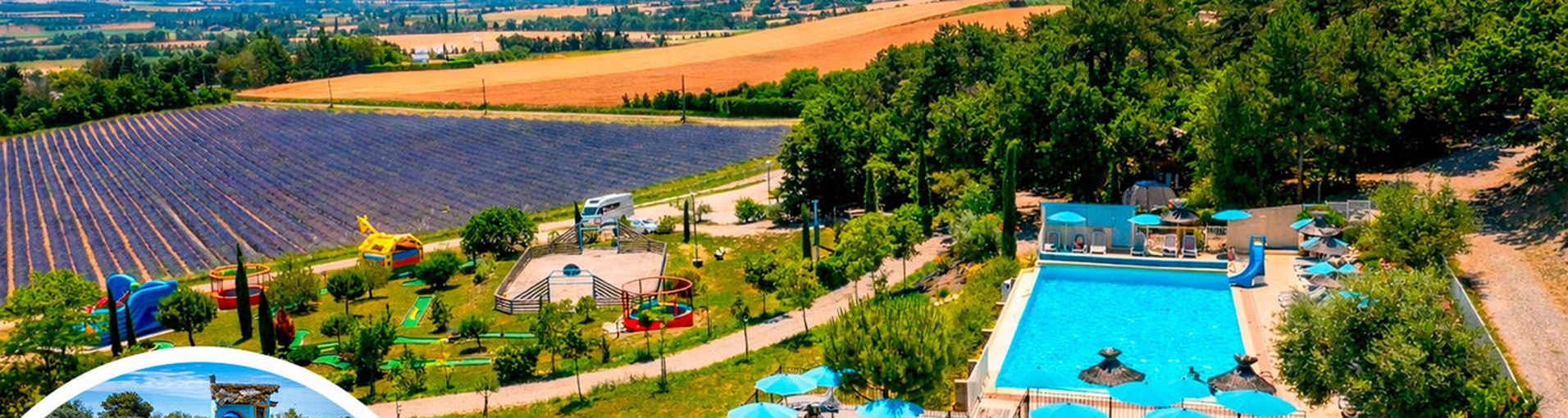
Linking Montélimar to Nyons, the lavender route is a magnificent getaway at the heart of a natural scene dominated by shades of blue, mauve and purple. Also plan a visit to Bleu Provence. In this traditional distillery, age-old know-how is preserved. Here you’ll learn more about the history of lavender and its many virtues.
A stay in the Drôme is also a chance to explore the culinary specialities and ingredients that make up the region’s wealth. It’s no coincidence that black truffle is nicknamed “the black diamond”. You can buy it at local markets such as the one in Richerenches, between December and March. Your stay will also involve numerous wine tastings — there’s even a museum dedicated to these two specialities: the Musée de la truffe et du vin. You can also head to the Brasserie de la Vielle Mule to sample a craft beer. It’s possible to take part in a ceramics workshop and discover the secrets of local production.
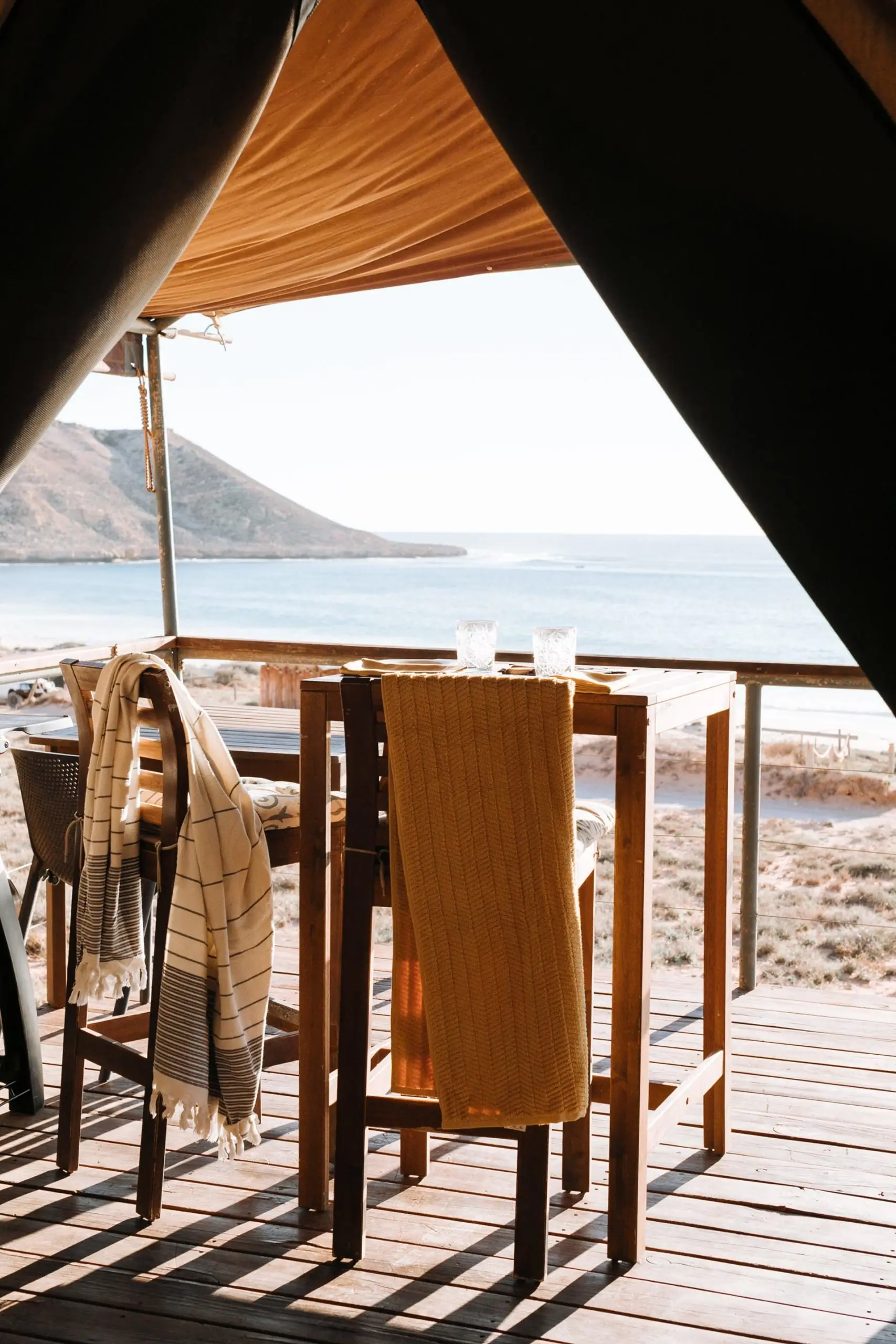
For accommodation, opt for one of the region’s luxury campsites. Indeed, there are several upmarket campsites in the Drôme.
Between December and March, this renowned market draws black truffle enthusiasts.
This medieval fortress has housed the University of Wine since 1978, dedicated to the region's winemaking heritage.
Summer, when the fields between Montélimar and Nyons are in full bloom, offers the most vivid colours.
Yes, you can reach it from Grignan, Montélimar, Sisteron or Vaison-la-Romaine.


